
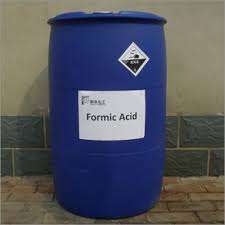
Formic Acid for Sale in Kenya.
Applications of Formic Acid in Various Industries
Formic Acid is a valuable resource across a range of industries due to its unique properties and effectiveness in multiple processes. Here’s a closer look at how Formic Acid is used in Kenya and beyond:
1. Agriculture and Animal Feed Preservation
In the agricultural sector, Formic Acid is used primarily as a preservative for silage and animal feed. Due to its antimicrobial properties, it reduces spoilage and inhibits bacterial growth, allowing farmers to store animal feed for extended periods without losing nutritional quality. By preventing mold and bacteria, Formic Acid promotes healthier feed, especially valuable in hot or humid climates.
- Silage Additive: Formic Acid is added to silage to promote rapid acidification, which stops unwanted microbial activity. This process ensures that the feed remains fresh and nutritious for livestock.
- Grain Preservation: Used in grain storage, it prevents mold growth and bacterial contamination, securing food supplies for poultry, cattle, and other livestock.
2. Textile Dyeing and Leather Tanning
Formic Acid plays a significant role in textile manufacturing and leather processing. It is used to adjust pH levels in textile dye baths, ensuring color stability and consistency, and to improve dye absorption in fabric. In leather tanning, Formic Acid acts as a fixative, helping to bind dyes to leather and contributing to durable, high-quality leather goods.
- Dye pH Control: Essential in achieving uniform coloration across textiles, it stabilizes dyes and ensures long-lasting color.
- Leather Tanning: As an integral component in leather tanning, it aids in processing hides, making them soft, durable, and resistant to wear.
3. Rubber and Latex Coagulation
In the rubber industry, Formic Acid is vital for coagulating latex, a key step in rubber manufacturing. By precipitating rubber from latex, it enables the production of high-quality rubber products, from tires to industrial equipment.
- Efficient Coagulation Agent: A small amount of Formic Acid effectively coagulates latex, offering a cost-effective solution in rubber manufacturing.
4. Industrial Cleaning and Descaling Agent
With its strong acidic properties, Formic Acid is highly effective in cleaning and descaling applications. It’s used to remove mineral buildup, rust, and other deposits in machinery, pipelines, boilers, and other industrial equipment. Formic Acid is preferred over harsher acids because it has a lower environmental impact and can be easily neutralized.
- Scale Removal: Particularly useful in industrial water systems, it removes scale deposits, enhancing equipment efficiency and extending its service life.
- Machinery Maintenance: It prevents rust formation on metal parts, a crucial factor in industrial settings.
5. Chemical Synthesis and Laboratory Use
As a reducing agent in chemical synthesis, Formic Acid is frequently used in research and industrial chemistry. Its properties as a simple carboxylic acid make it a versatile building block in producing pharmaceuticals, chemicals, and other compounds.
- Chemical Reagent: In the lab, it’s a reagent for testing and synthesis, popular for its reducing capabilities and chemical versatility.
- Pharmaceuticals: Employed in the synthesis of medicines and various organic compounds, making it valuable in pharmaceuticals.
Benefits of Using Formic Acid
Formic Acid’s unique qualities bring several advantages to businesses and industries in Kenya:
- High Efficiency in Preserving Feed: Farmers rely on Formic Acid to extend the life of livestock feed, reducing spoilage and maintaining nutrition.
- Enhanced Quality in Leather and Textiles: In leather tanning and textile dyeing, it improves material durability and color vibrancy.
- Cost-Effective Coagulation for Rubber: Its use in rubber coagulation is economical, saving manufacturers on processing costs.
- Environmentally Safer Cleaning Agent: Compared to other strong acids, Formic Acid has a lower environmental impact and is biodegradable.
- Broad Industrial Utility: With applications from agriculture to chemical synthesis, Formic Acid serves as a versatile and indispensable chemical.
Safety and Handling Guidelines for Formic Acid
Formic Acid is a hazardous material, and safe handling procedures are crucial to ensure the well-being of workers and the environment.
Storage Recommendations
- Store in a Cool, Ventilated Area: Keep Formic Acid away from heat sources and direct sunlight to avoid decomposition and release of toxic vapors.
- Use Corrosion-Resistant Containers: Store it in containers made of materials that resist acid corrosion, such as stainless steel or specific plastics.
Handling Precautions
- Personal Protective Equipment (PPE): Always wear gloves, goggles, and protective clothing. Formic Acid is corrosive and can cause severe skin burns and eye damage.
- Ventilation: Use in well-ventilated areas or under fume hoods to prevent inhaling fumes, which can cause respiratory irritation.
Emergency Procedures
- Spill Response: If a spill occurs, ventilate the area, wear protective equipment, and use absorbent material to contain it. Dispose of the waste according to local regulations.
- First Aid: In case of skin or eye contact, rinse thoroughly with water for at least 15 minutes and seek medical assistance immediately.
- For further safety guidelines and standards, refer to the Approved List of Standards – January 2018 by the Kenya Bureau of Standards.
Environmental Considerations
Formic Acid is biodegradable, and in diluted forms, it poses a lower environmental risk compared to stronger acids. Nonetheless, responsible disposal is essential to avoid contaminating water sources.

Reviews
There are no reviews yet.